Practical guides for wave control, CPS measurement, clicking methods and demon practice. Claims are kept reproducible and separated from official game physics or rankings.
Learn press-and-release rhythm, corridor control and how wave spam differs from raw CPS.
Open Wave Trainer →Measure click speed separately, then compare repeatability instead of relying on a single peak run.
Open CPS Test →Use source-checked Demon List references, wave-focused examples and beginner progression guides.
Browse Demon Guides →Latest library
11 practical guides
A practical explanation of Geometry Dash spam, why wave spam is difficult, and how CPS and timing consistency fit together.
Improve Geometry Dash CPS with repeatable click tests, jitter and butterfly comparisons, and wave-control drills without relying on fake target numbers.
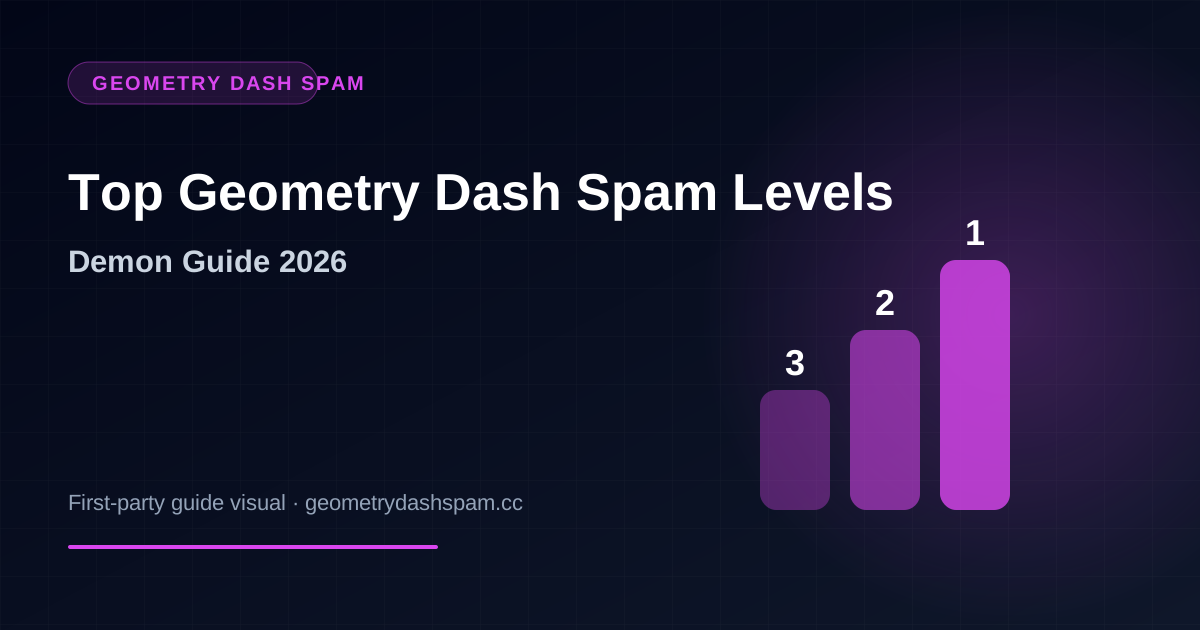
Looking for the hardest Geometry Dash spam levels? Use this source-led 2026 guide to separate Spam Challenge List rankings, spam-heavy Demons and wave practice references.
What actually matters when comparing mice for Geometry Dash: click feel, debounce behavior, polling, shape and repeatable comfort.
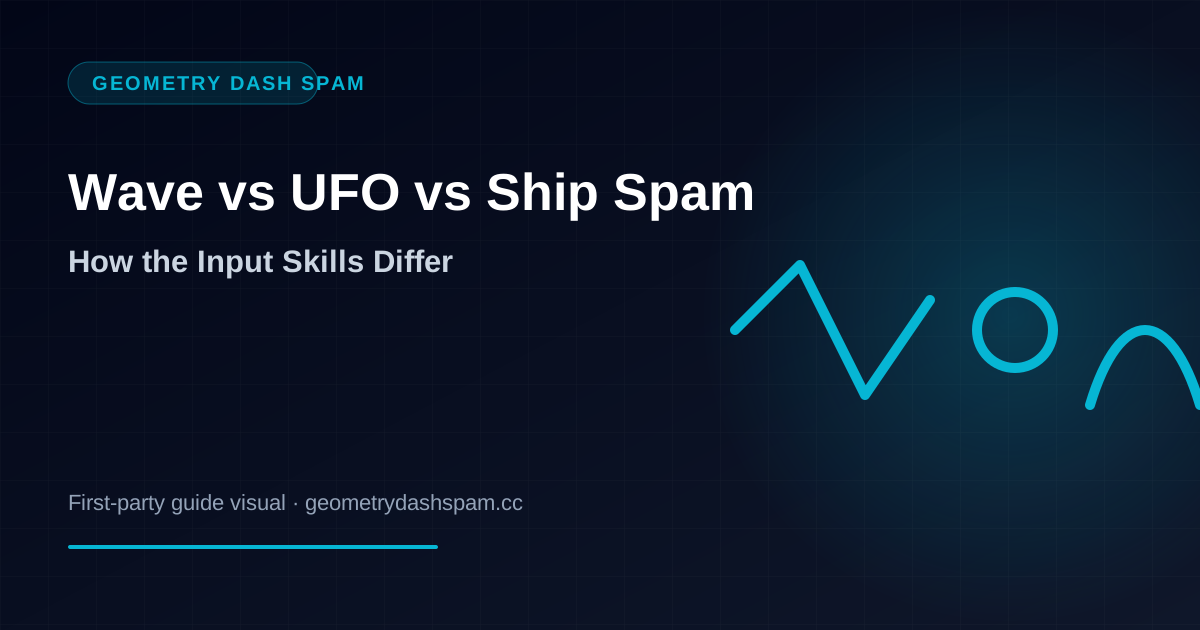
Wave, UFO and ship sections can all involve rapid inputs, but the control problem is different in each mode.
A non-ranking list of well-known levels associated with difficult wave control and rapid-input sections, with links back to the current Demon List.
A conservative month-long practice structure for improving consistency, wave control and test repeatability without promising a fixed CPS gain.
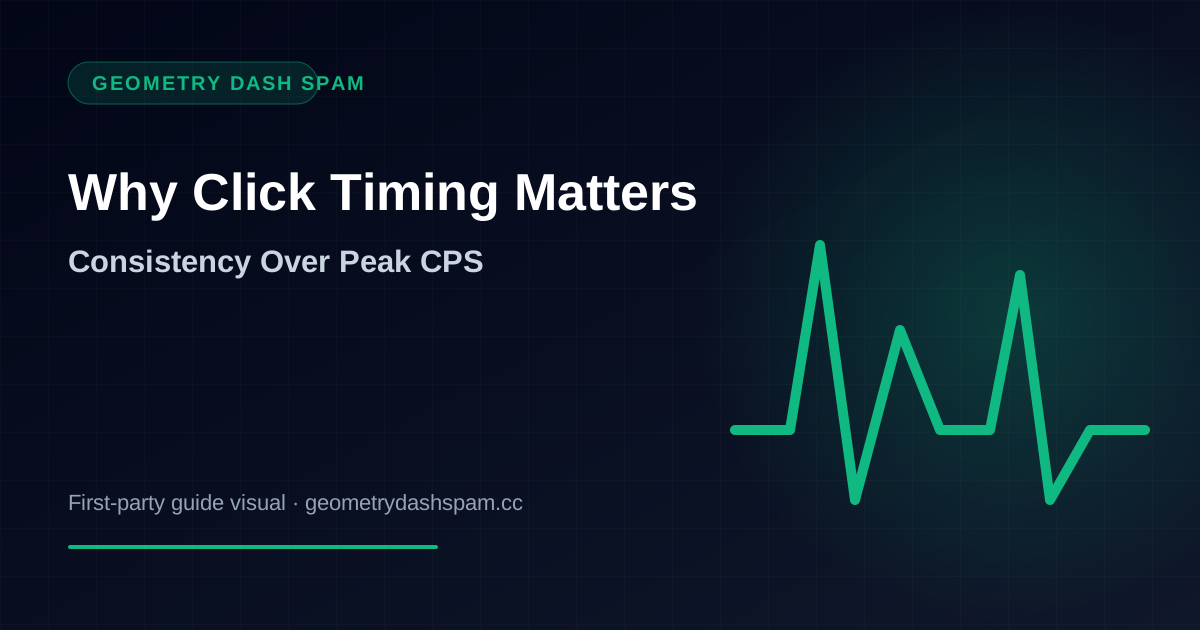
A measurement-focused explanation of click intervals, variance and why stable timing can matter more than a one-run CPS peak.
A practical comparison of touch, mouse and keyboard input without assuming one platform is always faster.
Ten practical reasons spam practice becomes inconsistent, from chasing peak CPS to changing settings too often.
A checklist for separating useful training advice from unsupported player claims, fake interviews and made-up performance numbers.
